

CompTIA Network+ certification (N10-006日本語版) : N10-006日本語 exam dump

- Exam Code: N10-006J
- Exam Name: CompTIA Network+ certification (N10-006日本語版)
- Updated: May 29, 2026
- Q&As: 880 Questions and Answers
About CompTIA Network+ certification (N10-006日本語版) : N10-006日本語 exam dump
CompTIA N10-006 Exam Certification Details:
| Exam Name | Network+ |
| Recommended Training | CompTIA Network+ Training |
| Exam Price | $294 USD |
| Sample Questions | CompTIA N10-006 Sample Questions |
| Exam Code | N10-006 N+ |
| Duration | 90 minutes |
| Passing Score | 720/900 |
| Exam Registration | PEARSON VUE |
| Number of Questions | 90 |
Reference: https://certification.comptia.org/certifications/network
CompTIA N10-006 Exam Topics:
| Section | Objectives |
| Network Architecture 22% | |
| Explain the functions and applications of various network devices. | 1.Router 2. Switch 3.Multilayer switch 4. Firewall 5. HIDS 6. IDS/IPS 7. Access point (wireless/wired) 8.Content filter 9.Load balancer 10.Hub 11.Analog modem 12.Packet shaper 13.VPN concentrator |
| Compare and contrast the use of networking services and applications. | 1.VPN
3.RAS 4.Web services 5.Unified voice services 6.Network controllers |
| Install and configure the following networking services/applications. | 1.DHCP
4.NAT
|
| Explain the characteristics and benefits of various WAN technologies. | 1.Fiber
3.Satellite 4.Broadband cable 5.DSL/ADSL 6. ISDN 7.ATM 8.PPP/multilink PPP 9.MPLS 10.GSM/CDMA
12.WiMAX 13.MetroEthernet 14.Leased lines
|
| Install and properly terminate various cable types and connectors using appropriate tools. | 1.Copper connectors
|
| Differentiate between common network topologies. | 1. Mesh
4.Star 5.Hybrid 6. Point-to-point 7.Point-to-multipoint 8. Client-server 9.Peer-to-peer |
| Differentiate between network infrastructure implementations. | 1.WAN 2.MAN 3.LAN 4.WLAN
5.PAN
|
| Given a scenario, implement and configure the appropriate addressing schema. | 1.IPv6
4.NAT/PAT 5.MAC addressing 6.Multicast 7.Unicast 8.Broadcast 9.Broadcast domains vs. collision domains |
| Explain the basics of routing concepts and protocols. | 1.Loopback interface 2.Routing loops 3.Routing tables 4.Static vs. dynamic routes 5.Default route 6.Distance vector routing protocols
7.Hybrid routing protocols
8.Link state routing protocols
10.Autonomous system numbers 11.Route redistribution 12.High availability
14.Routing metrics
|
| Identify the basics elements of unified communication technologies. | 1. VoIP 2.Video 3.Real-time services
|
| Compare and contrast technologies that support cloud and virtualization. | 1.Virtualization
|
| Given a set of requirements, implement a basic network. | 1. List of requirements 2.Device types/requirements 3.Environment limitations 4.Equipment limitations 5.Compatibility requirements 6.Wired/wireless considerations 7.Security considerations |
| Network Operations 20% | |
| Given a scenario, use appropriate monitoring tools. | 1.Packet/network analyzer 2.Interface monitoring tools 3.Port scanner 4.Top talkers/listeners 5.SNMP management software
8.SYSLOG 9.SIEM 10.Environmental monitoring tools
12.Wireless survey tools 13.Wireless analyzers |
| Given a scenario, analyze metrics and reports from monitoring and tracking performance tools. | 1.Baseline 2.Bottleneck 3.Log management 4.Graphing 5.Utilization
7.Interface monitoring
|
| Given a scenario, use appropriate resources to support configuration management. | 1.Archives/backups 2.Baselines 3. On-boarding and off-boarding of mobile devices 4.NAC 5.Documentation
|
| Explain the importance of implementing network segmentation. | 1.SCADA systems/industrial control systems 2.Legacy systems 3.Separate private/public networks 4.Honeypot/honeynet 5.Testing lab 6.Load balancing 7.Performance optimization 8.Security 9.Compliance |
| Given a scenario, install and apply patches and updates. | 1.OS updates 2.Firmware updates 3.Driver updates 4.Feature changes/updates 5.Major vs. minor updates 6.Vulnerability patches 7.Upgrading vs. downgrading
|
| Given a scenario, configure a switch using proper features. | 1.VLAN
5.PoE and PoE+ (802.3af, 802.3at) 6.Switch management
|
| Install and configure wireless LAN infrastructure and implement the appropriate technologies in support of wireless capable devices. | 1.Small office, home office wireless router 2.Wireless access points
4.Site surveys
7.Goodput 8.Connection types
10.Antenna types
12.Signal strength
14.Topologies
|
| Network Security 18% | |
| Compare and contrast risk related concepts. | 1. Disaster recovery2. Business continuity 3. Battery backups/UPS 4. First responders 5. Data breach 6.End user awareness and training 7.Single point of failure
9.Vulnerability scanning 10.Penetration testing |
| Compare and contrast common network vulnerabilities and threats. | 1.Attacks/threats
|
| Given a scenario, implement network hardening techniques. | 1.Anti-malware software
4.Disable unneeded network services 5.Use secure protocols
|
| Compare and contrast physical security controls. | 1.Mantraps 2.Network closets 3.Video monitoring
4.Door access controls |
| Given a scenario, install and configure a basic firewall. | 1.Types of firewalls
|
| Explain the purpose of various network access control models. | 1. 802.1x2. Posture assessment 3. Guest network 4. Persistent vs. non-persistent agents 5. Quarantine network 6. Edge vs. access control |
| Summarize basic forensic concepts. | 1. First responder2. Secure the area
4. eDiscovery 5. Evidence/data collection 6. Chain of custody 7. Data transport 8. Forensics report 9. Legal hold |
| Troubleshooting 24% | |
| Given a scenario, implement the following network troubleshooting methodology. | 1.Identify the problem
5. Implement the solution or escalate as necessary 6. Verify full system functionality and, if applicable, implement preventative measures 7. Document findings, actions and outcomes |
| Given a scenario, analyze and interpret the output of troubleshooting tools. | 1.Command line tools
3. Certifiers 4. Multimeter 5. Cable tester 6. Light meter 7. Toner probe 8. Speed test sites 9. Looking glass sites 10. WiFi analyzer 11. Protocol analyzer |
| Given a scenario, troubleshoot and resolve common wireless issues. | 1. Signal loss2. Interference 3. Overlapping channels
5. Device saturation 6.Untested updates 7. Wrong SSID 8. Power levels 9. Open networks 10. Rogue access point 11. Wrong antenna type 12. Incompatibilities 13. Wrong encryption 14. Bounce 15.MIMO 16. AP placement 17. AP configurations
|
| Given a scenario, troubleshoot and resolve common copper cable issues. | 1. Shorts2. Opens 3. Incorrect termination (mismatched standards)
6. Distance limitations 7. Attenuation/Db loss 8. Bad connector 9. Bad wiring 10. Split pairs 11. Tx/Rx reverse 12. Cable placement 13. Bad SFP/GBIC - cable or transceiver |
| Given a scenario, troubleshoot and resolve common fiber cable issues. | 1. Attenuation/Db loss2. SFP/GBIC - cable mismatch 3. Bad SFP/GBIC - cable or transceiver 4. Wavelength mismatch 5. Fiber type mismatch 6. Dirty connectors 7. Connector mismatch 8. Bend radius limitations 9. Distance limitations |
| Given a scenario, troubleshoot and resolve common network issues. | 1. Incorrect IP configuration/default gateway2. Broadcast storms/switching loop 3. Duplicate IP 4. Speed and duplex mismatch 5. End-to-end connectivity 6. Incorrect VLAN assignment 7. Hardware failure 8. Misconfigured DHCP 9.Misconfigured DNS 10 Incorrect interface/interface misconfiguration 11. Cable placement 12. Interface errors 13. Simultaneous wired/wireless connections 14. Discovering neighboring devices/nodes 15. Power failure/power anomalies 16.MTU/MTU black hole 17. Missing IP routes 18. NIC teaming misconfiguration
|
| Given a scenario, troubleshoot and resolve common security issues. | 1. Misconfigured firewall2.Misconfigured ACLs/applications 3. Malware 4.DoS 5. Open/closed ports 6.ICMP-related issues
8. Malicious users
11. ARP issues 12. Banner grabbing/OUI/TCP ports 13. Domain/local group configurations 14. Jamming |
| Given a scenario, troubleshoot and resolve common WAN issues. | 1. Loss of Internet connectivity2. Interface errors 3. Split horizon 4. DNS issues 5. Interference 6. Router configurations 7.Customer premise equipment
|
| Industry Standards, Practices and Network Theory 16% | |
| Analyze a scenario and determine the corresponding OSI layer. | 1. Layer 1 – Physical 2. Layer 2 – Data link 3. Layer 3 – Network 4. Layer 4 – Transport 5. Layer 5 – Session 6. Layer 6 – Presentation 7. Layer 7 – Application |
| Explain the basics of network theory and concepts. | 1. Encapsulation/de-encapsulation2. Modulation techniques
5. Bit rates vs. baud rates 6. Sampling size 7. CDMA 8. CSMA/CD and CSMA/CA 9. Carrier detect/sense 10. Wavelength 11. TCP/IP suite
|
| Given a scenario, deploy the appropriate wireless standard. | 1. 802.11a2. 802.11b 3. 802.11g 4. 802.11n 5. 802.11ac |
| Given a scenario, deploy the appropriate wired connectivity standard. | 1.Ethernet standards
|
| Given a scenario, implement the appropriate policies or procedures. | 1.Security policies
2.Network policies
|
| Summarize safety practices. | 1.Electrical safety
2.ESD
3.Installation safety
5. Emergency procedures
7. HVAC |
| Given a scenario, install and configure equipment in the appropriate location using best practices. | 1. Intermediate distribution frame2. Main distribution frame 3. Cable management
6. Air flow 7. Cable trays 8. Rack systems
11. Rack security |
| Explain the basics of change management procedures. | 1.Document reason for a change 2.Change request
4.Maintenance window
6.Documentation
|
| Compare and contrast the following ports and protocols. | 1. 80 HTTP 2. 443 HTTPS 3. 137-139 NetBIOS 4. 110 POP 5. 143 IMAP 6. 25 SMTP 7. 5060/5061 SIP 8. 2427/2727 MGCP 9. 5004/5005 RTP 10. 1720 H.323 11. TCP
|
| Given a scenario, configure and apply the appropriate ports and protocols. | 1. 20,21 FTP2. 161 SNMP 3. 22 SSH 4. 23 Telnet 5. 53 DNS 6. 67,68 DHCP 7. 69 TFTP 8. 445 SMB 9. 3389 RDP |
As the previous time going away day by day, getting meaningful certificate to make yourself more competitive is an infallible way wherever you are, because knowledge is dependable backup. But the acquisition of it deserves help from professional helper like our company with the most effective N10-006日本語 sure-pass learning materials: CompTIA Network+ certification (N10-006日本語版) in the market. We stipulate the quality and accuracy of them every year for your prospective dream, as the elite in this area, our N10-006日本語 pass-sure torrent materials are definitely the best help for knowledge thirsty friends like you. Now please get more details with our CompTIA N10-006日本語 exam braindumps together.

Our N10-006日本語 sure-pass learning materials: CompTIA Network+ certification (N10-006日本語版) have received massive demands in the market for their great quality and accuracy as one of the most popular practice materials all these years. Our customers have voluntarily introduced N10-006日本語 pass-sure torrent materials to people. So to fulfill your massive demands of the customers, we never stop the pace of making them more perfect and efficient as prestigious materials of the exam. By using our N10-006日本語 exam braindumps, your possibility of getting certificate and being success will increase dramatically and a series of benefits will come along in your life. It will be a reasonable choice for our CompTIA N10-006日本語 guide torrent.
High quality products with affordable priceOur N10-006日本語 sure-pass learning materials: CompTIA Network+ certification (N10-006日本語版) can help you gain the best results with least time and reasonable money which means our N10-006日本語 pass-sure torrent materials are your indispensable choice in this society that pursuit efficiency and productivity, with passing rate up to 98 to 100 percent, our N10-006日本語 exam braindumps can be praised as high quality definitely. Besides, after you placing your order on our website, you can download it within ten minutes accompanied with benefits at intervals. So choosing our N10-006日本語 quiz guide is the best avenue to success.
Professional expertsOur professional experts are conversant about the practice materials, who are curious and careful specialists dedicated to better the N10-006日本語 sure-pass learning materials: CompTIA Network+ certification (N10-006日本語版) with diligence and outstanding knowledge all these years. By compiling the most useful content into the CompTIA N10-006日本語 pass-sure torrent materials, they have helped our exam candidates gain success easily and smoothly. So they are the professional guarantee of the quality and accuracy of N10-006日本語 exam braindumps. On some necessary questions they will amplify the details for you, so do not worry about the complexity of the exam.
Desirable outcomeOur N10-006日本語 sure-pass learning materials: CompTIA Network+ certification (N10-006日本語版) play the role of panacea in the exam market which aim to bring desirable outcomes to you. By using our N10-006日本語 pass-sure torrent materials, a series of benefits will come along in your life. You can not only get the desirable certificate with our CompTIA N10-006日本語 exam braindumps, but live toward more bright future in your life. You can have larger opportunity to realize your dream and more possibility of getting rewarding job with more confidence and professional background. If you failed the exam with our practice materials, we promise you full refund. Or you can request to free change other N10-006日本語 sure-pass learning materials: CompTIA Network+ certification (N10-006日本語版). With so many irresistible benefits ahead of you, what are you waiting for?
After purchase, Instant Download: Upon successful payment, Our systems will automatically send the product you have purchased to your mailbox by email. (If not received within 12 hours, please contact us. Note: don't forget to check your spam.)


Related Exams
Related Certifications
Over 51893+ Satisfied Customers
What Clients Say About Us
Quality and Value
Free4Dump Practice Exams are written to the highest standards of technical accuracy, using only certified subject matter experts and published authors for development - no all study materials.
Tested and Approved
We are committed to the process of vendor and third party approvals. We believe professionals and executives alike deserve the confidence of quality coverage these authorizations provide.
Easy to Pass
If you prepare for the exams using our Free4Dump testing engine, It is easy to succeed for all certifications in the first attempt. You don't have to deal with all dumps or any free torrent / rapidshare all stuff.
Try Before Buy
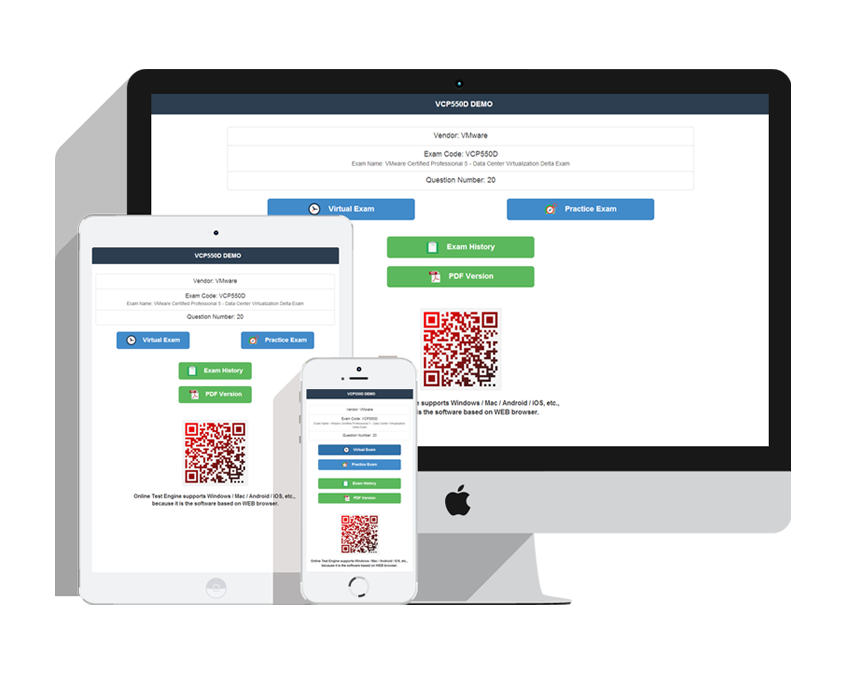
Free4Dump offers free demo of each product. You can check out the interface, question quality and usability of our practice exams before you decide to buy.
Our Clients








You will obtain the exam certification surely by practicing our most reliable Quiz Questions of Pass-Sure Materials and remember the key knowledge of our Sure-Pass Exam Learning Materials
Copyright © 2026 Free4Dump NETWORK CO.,LIMITED. All Rights Reserved. All trademarks used are properties of their respective owners. Privacy Policy